West Nile Program
The collecting and testing of mosquitoes are important components of our West Nile virus surveillance program.
Results of these tests help us determine the extent of West Nile virus activity. Because the virus generally appears and grows in Illinois mosquito populations before it is transmitted to humans, monitoring mosquito populations helps us predict when and where humans will be at risk for West Nile virus infection as well as where and when additional precautions and control measures should be taken.
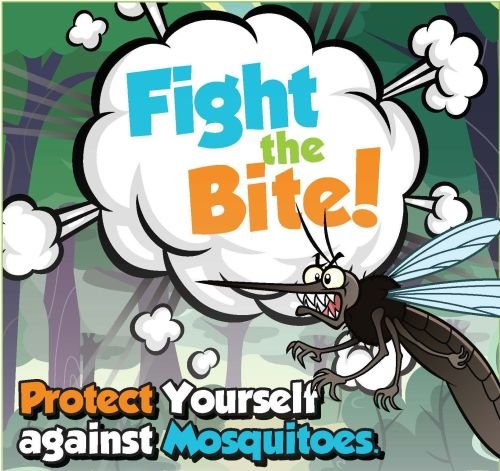
Fight the Bite:
Prevent West Nile Virus Steps from the Illinois Department of Public Health (IDPH)
Follow the Three R’s: Reduce, Repel, and Report
REDUCE
- Make sure all doors and windows have tight-fitting screens. Repair or replace any screens that are torn or have holes.
- Keep doors and windows closed as much as possible.
- Eliminate or refresh every week any standing water where mosquitoes can breed. This includes water in:
- Bird baths
- Ponds
- Flowerpots
- Wading pools
- Old tires
- Buckets, cans, and any other containers
REPEL When outdoors:
- Wear shoes and socks, long pants, and a light-colored, long-sleeved shirt.
- Apply an EPA-registered insect repellent containing DEET, picaridin, oil of lemon eucalyptus, or IR 3535. Always follow the label instructions.
- Note for children: The CDC does not recommend using products with oil of lemon eucalyptus or para-menthane-diol on children under 3 years old. Consult a doctor before using any repellent on children under 3.
REPORT
- Report areas with stagnant water that has been sitting for more than one week. Examples include:
- Roadside ditches
- Flooded yards
- Other low-lying areas that collect water
- Contact the health department or city government. They may be able to treat the water with larvicide to kill mosquito larvae.
THE HEALTH DEPARTEMTNT IS NO LONGER COLLECTING DEAD BIRDS FOR WEST NILE TESTING.
What should you do if you find a dead, sick or injured bird?
Current Guidance for Sick, Injured, or Dead Birds in Illinois (as of 2026)
Key Rules:
- Do not handle sick or dead wild birds with your bare hands.
- Do not take sick or dead birds to veterinarians, wildlife rehabilitators, or refuges.
- Keep pets away from sick or dead birds.
| Situation | Guidance |
|---|---|
| Single dead bird (or fewer than 5) | - Safely dispose of it yourself using proper precautions (see below). - No need to report unless it's part of a larger pattern. |
| 5 or more dead birds in one location | Report to the Illinois Department of Natural Resources (IDNR). Contact your local IDNR District Wildlife Biologist: https://wildlifeillinois.org/idnr-district-wildlife-biologist/ or call USDA Wildlife Services: 1-866-487-3297 |
| Sick or injured live birds | Do not attempt to capture or help them. Report clusters (especially waterfowl, raptors, or crows) to IDNR. |
| Domestic poultry (chickens, ducks, etc.) | Report to Illinois Department of Agriculture (IDOA) at 217-782-4944 or USDA. |
Safe Disposal Instructions (for fewer than 5 birds):
- Wear disposable gloves (and ideally eye protection and a mask).
- Use a plastic bag turned inside out to pick up the bird without touching it.
- Double-bag the bird and dispose of it in the regular trash (or bury it deeply away from water sources).
- Remove gloves, wash hands thoroughly with soap and water, and disinfect any tools or shoes.
- Wash clothes in hot water.
Official IDPH Disposal Guides: Safe Dead Bird Disposal (Less than 5 Birds) Safe Dead Bird Disposal (5 or more Birds)
IDPH West Nile Virus page: West Nile Virus (WNV)
IDPH Avian Influenza / H1N1 page: Avian Influenza (Bird Flu)
Contact Ford County Public Health Department for local advice.